Curcumin, Turmeric’s Main Active Compound, Shows Potential in Studies
09/08/2026 / By Chase Codewell
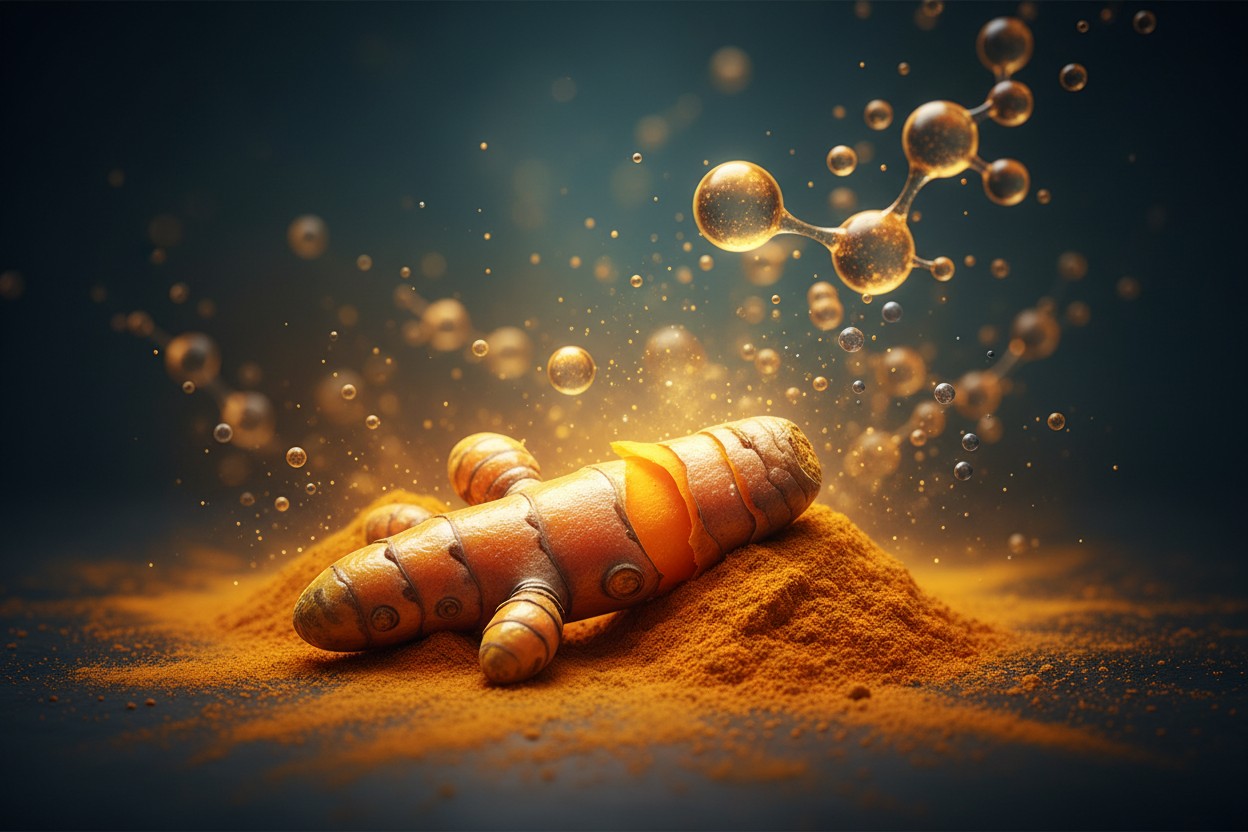
Turmeric, a spice derived from the root of the Curcuma longa plant, has been used for centuries in traditional Indian cooking and Ayurvedic medicine. Its primary active compound, curcumin, is now the focus of clinical research investigating anti-inflammatory, antioxidant, and neuroprotective effects, according to the provided sources. The vibrant yellow spice, known for its therapeutic potential, is at the center of a growing body of scientific literature that both supports and complicates its use as a dietary supplement.
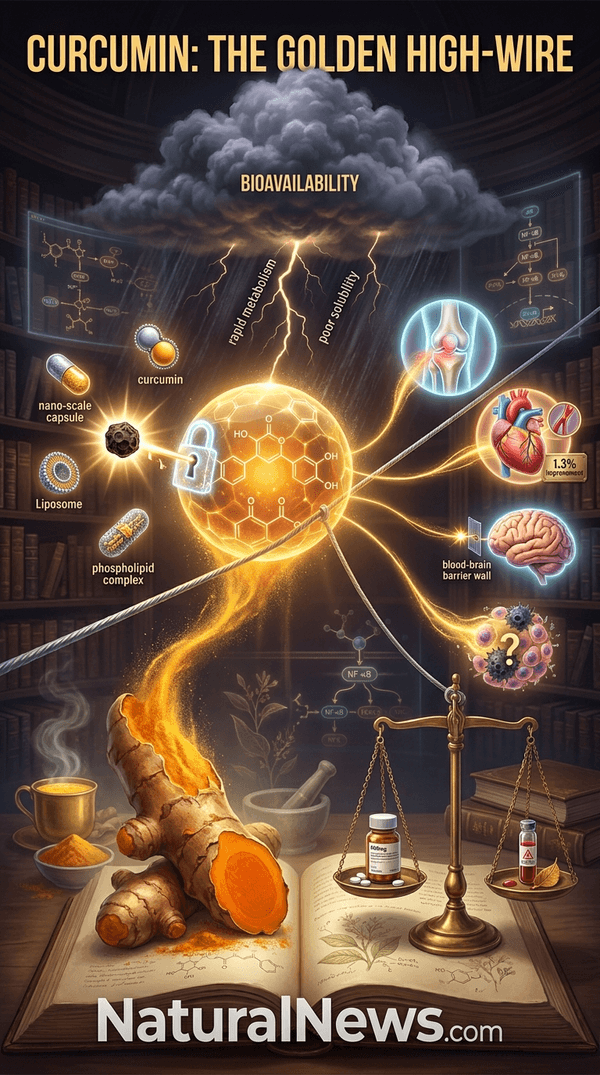
However, researchers have noted a persistent obstacle: the compound’s low bioavailability. According to the National Center for Complementary and Integrative Health, curcumin is poorly absorbed by the body, often requiring high doses or adjuvants like piperine from black pepper to enhance absorption. Investigators at the University of Melbourne have stated that turmeric is not a replacement for approved medical treatments. This report summarizes recent findings and limitations from studies on curcumin’s health benefits.
Curcumin Shown to Modulate Inflammation and Oxidative Stress
A 2021 randomized controlled trial published in the Journal of Functional Foods reported that 1,000 mg of curcumin daily reduced C-reactive protein levels by 25% in obese adults. A separate analysis of 21 trials, reported by NaturalHealth365 and appearing in BMC Complementary Medicine and Therapies in July 2025, found that curcumin users with knee osteoarthritis showed significantly lowered C-reactive protein and tumor necrosis factor-alpha, two key inflammation markers tracked in bloodwork [1]. Mechanistic studies indicate curcumin suppresses nuclear factor kappa-B, a protein complex that regulates inflammatory genes, according to a review in Molecular Nutrition & Food Research.
Turmeric’s antioxidant capacity has also been quantified in laboratory analyses. The compound’s ability to scavenge reactive oxygen species was examined in a study published in the Journal of Agricultural and Food Chemistry, which highlighted the antioxidant activities of curcumin and its derivatives [2]. According to Lise N. Alschuler in The Definitive Guide to Thriving After Cancer, in vitro studies have shown that curcuminoids exert potent antioxidant effects and enhance cellular resistance to oxidative stress [3]. The anti-inflammatory properties of turmeric are well documented, with sources noting its use as an Ayurvedic drink commonly made with turmeric and other spices [4].
Potential Effects on Heart, Brain, and Joint Health
Curcumin has been investigated for its potential effects on cardiovascular health. Research from the University of California-Riverside has found that curcumin promotes vascular tissue growth, which may eventually be used to help regenerate injured tissue or heal chronic wounds, according to a report by Mercola.com [5]. Additionally, a 2026 study reported by the American Physiological Society suggests curcumin may help protect blood vessels from some of the damage caused by diabetes, with researcher Swasti Rastogi stating that curcumin’s effects go beyond simple antioxidant activity [6]. A meta-analysis of 19 studies, published in the Journal of the American Heart Association in 2020, found curcumin supplementation improved flow-mediated dilation by 1.3%, a marker of vascular health.
For joint health, clinical research confirms curcumin effectively reduces osteoarthritis pain and stiffness, performing comparably to NSAIDs like ibuprofen but with fewer side effects, according to a report by NaturalNews.com [7]. A 2021 study in the Annals of Internal Medicine comparing curcumin (1,500 mg/day) to ibuprofen reported no significant difference in pain scores, but curcumin had fewer gastrointestinal side effects. Research on brain health includes a 2024 study which found that a turmeric extract, CLE, improved orientation and attention in middle-aged adults, though the study, funded by the manufacturer, reported statistically significant improvements on only two of 35 cognitive measures tested [8]. Dr. Sanjay Mehta, an investigator at the Indian Institute of Integrative Medicine, noted, “The evidence is suggestive, though not conclusive, of benefits for heart, brain, and joint health.”
Cancer Research: Laboratory Findings Outpace Human Trials
In vitro and animal studies show curcumin inhibits proliferation of colon, breast, and prostate cancer cell lines, according to the National Cancer Institute’s Drug Dictionary. The compound has long been recognized for its potential therapeutic activities, with over 150 potentially therapeutic activities identified, including anti-inflammatory, antimicrobial, and anticancer actions, according to a report by Mercola.com [9]. Research has also found that curcumin demonstrates multimodal chemopreventive effects in various tumor cell lines and animal models, according to Debasis Bagchi, Harry Preuss, and Anand Swaroop in Nutraceuticals and Functional Foods in Human Health and Disease Prevention [10]. Specific compounds from turmeric have also shown inhibitory activity on superoxide generation and elastase release by neutrophils, according to a study in the Journal of Natural Products [11].
However, clinical translation remains a challenge. A 2020 phase II clinical trial at the University of Texas MD Anderson Cancer Center reported curcumin (8 g/day) plus gemcitabine increased survival by 2.3 months in pancreatic cancer patients, but results failed to reach statistical significance. Researchers have noted that because of the poor absorption profile and rapid metabolism of curcumin, relatively few clinical studies have been conducted to determine if the wide range of physiological activities are applicable in humans, as noted in The Definitive Guide to Thriving After Cancer [12]. The systemic bioavailability of orally administered curcumin is relatively low, with mostly metabolites detected in plasma or serum following oral consumption, according to Jane Higdon in Evidence-Based Approach to Phytochemicals and Other Dietary Factors [13]. Researchers from the American Cancer Society said, “No data support turmeric or curcumin as a cancer treatment, and high-dose supplements may interfere with chemotherapy.”
Safety, Dosage, and Regulatory Status
The World Health Organization has set an acceptable daily intake of 0–3 mg/kg body weight for curcumin, though commercial supplements often use 500–1,000 mg doses. According to the FDA, turmeric and curcumin are generally recognized as safe (GRAS) as food additives, but dietary supplements are not premarket-approved for safety or efficacy. A 2021 case report in the Journal of Clinical Gastroenterology linked high-dose curcumin (1,200 mg/day) with reversible liver injury in one patient, highlighting potential hepatotoxicity. Sources also note that curcumin administration with nonsteroidal anti-inflammatory or anticoagulant drugs may increase the risk of bleeding [14].
Interactions with warfarin, clopidogrel, and glycemic agents have been documented, leading the National Institutes of Health to advise caution in patients taking these drugs. The report also notes that curcumin acts as a photosensitizer, becoming more active when exposed to specific wavelengths of light, which may explain why some supplements don’t seem to work for people due to poor absorption, according to an interview with Mike Adams [15]. Dr. Michael Chen, a toxicologist at the University of Washington, said, “Consumers should treat curcumin as a pharmacologically active compound, not a benign spice.”
Conclusion: More Robust Research Needed for Clinical Certainty
An umbrella review of 121 meta-analyses, published in 2022, assigned a “moderate” strength of evidence to curcumin’s anti-inflammatory and pain-reducing effects, but “low” to “very low” for cognitive, cardiac, and cancer outcomes. While the evidence base continues to grow, with studies demonstrating curcumin’s potential in addressing metabolic issues, reducing inflammation, and protecting against oxidative stress, the scientific community remains cautious about overstating its benefits. The curcumin market continues to expand, with turmeric remaining a highly sought-after supplement for its various potential health benefits.
The existing evidence points to the need for more standardized research. Researchers at the University of Oxford noted that future studies should standardize curcumin preparations and measure blood concentrations to confirm absorption. The bottom line, according to the majority of investigators, is that turmeric shows promise as an adjunct to, not a substitute for, conventional care. No regulatory body has approved turmeric, curcumin, or derivatives for the prevention or treatment of any disease.
References
- NaturalNews.com. “Curcumin Lowers Two Inflammation Markers, Analysis of 21 Trials Finds”. NaturalNews.com. August 9, 2026.
- Elsevier. “Antioxidant activities of curcumin, demethoxycurcumin and bisdemethoxycurcumin”. Journal of Agricultural and Food Chemistry. 2005.
- Alschuler Lise N. “The Definitive Guide to Thriving After Cancer”.
- Mercola.com. “5 Health Benefits of Golden Milk”. Mercola.com. August 1, 2022.
- Mercola.com. “Could This Spice Help Heal Damaged Blood Vessels?”. Mercola.com. April 28, 2022.
- NaturalNews.com. “Curcumin Shows Potential in Protecting Blood Vessels From Diabetes Damage, According to Rat Study”. NaturalNews.com. August 29, 2026.
- NaturalNews.com. “Turmeric’s Natural Compound Curcumin Rivals Pain Drugs for Arthritis Relief, New Research Confirms”. NaturalNews.com. February 26, 2026.
- NaturalNews.com. “Turmeric Extract CLE Improves Orientation and Attention in Middle-Aged Adults, Study Finds”. NaturalNews.com. August 10, 2026.
- Mercola.com. “Top Herb Can Wreak Havoc on Nearly All Tumor Cells”. Mercola.com. July 25, 2023.
- Debasis Bagchi, Harry Preuss, Anand Swaroop. “Nutraceuticals and Functional Foods in Human Health and Disease Prevention”.
- Jih-Jung Chen; Cheng-Shuan Tsai; Tsong-Long Hwang; Po-Chuen Shieh; Jinn-Fen Chen; Ping-Jyun Sung. “Sesquiterpenes from the rhizome of Curcuma longa with inhibitory activity on superoxide generation and elastase release by neutrophils”. Journal of Natural Products. 2009.
- Lise N Alschuler. “The Definitive Guide to Thriving After Cancer”.
- Jane Higdon. “Evidence-Based Approach to Phytochemicals and Other Dietary Factors”.
- “Nutrition and Diet in Menopause”.
- Mike Adams. “2025 10 16 BBN Interview with Otto “.
Explainer Infographic
Submit a correction >>
Tagged Under:
This article may contain statements that reflect the opinion of the author
RECENT NEWS & ARTICLES