Fermented tea kombucha shows promise in reducing depression-like behaviors, animal study reveals
10/19/2026 / By Willow Tohi
- University of Minnesota researchers found kombucha consumption linked to fewer depression-like behaviors in mice across different diets.
- The fermented tea altered gut bacteria composition, affecting pathways involved in tryptophan metabolism and serotonin production.
- Behavioral benefits varied by diet type, with Western-diet mice showing additional anxiety reduction and brain chemistry changes.
- Mice on standard diets experienced increased short-chain fatty acids, supporting gut barrier function.
- Human clinical trials remain necessary before confirming mental health benefits for people.
A gut-brain connection worth exploring
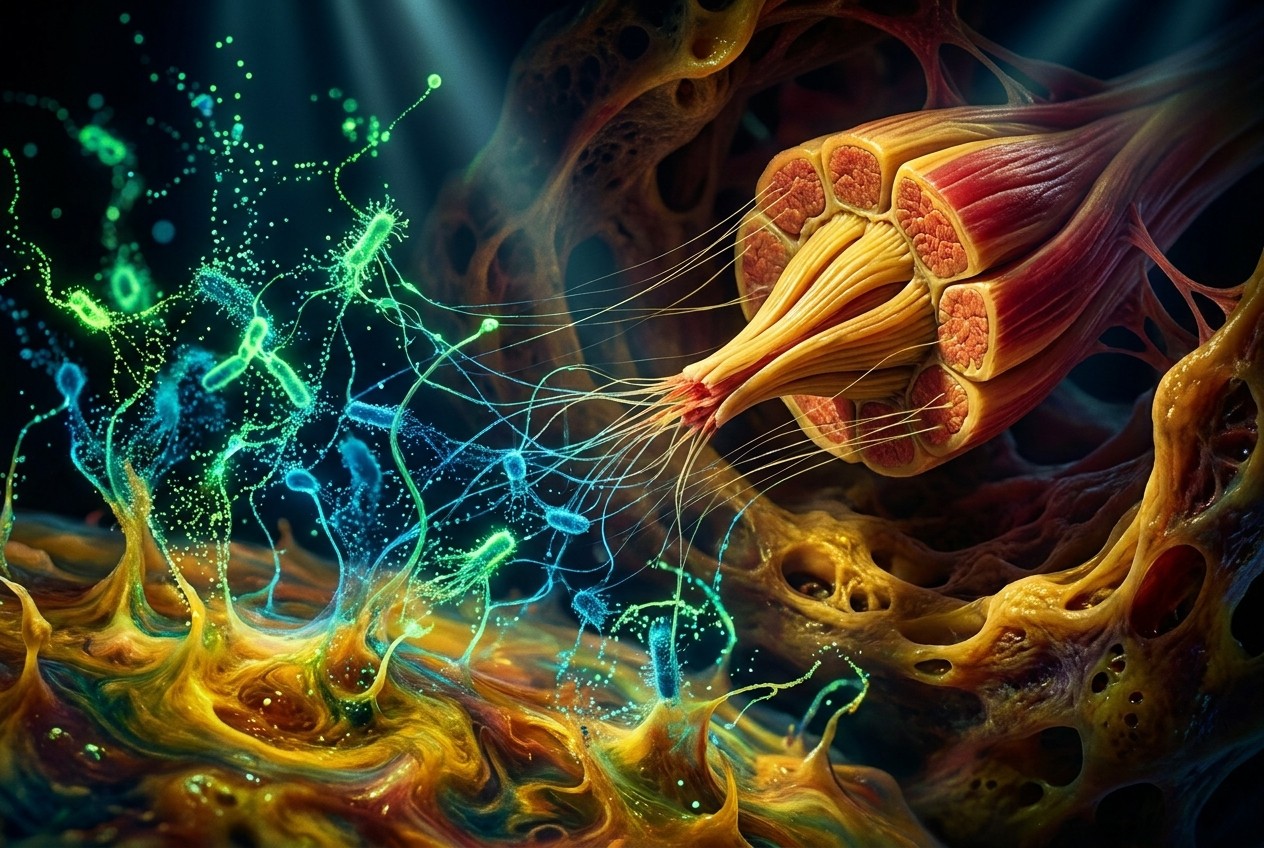
What happens when ancient fermentation meets modern neuroscience? Researchers at the University of Minnesota’s College of Food, Agricultural and Natural Resource Sciences have published findings in Food Bioscience (October 2026) suggesting that kombucha, a fermented tea consumed for thousands of years, may reduce depression-like behaviors through gut microbiome changes. The animal study examined how this probiotic-rich beverage interacts with diet to influence mood-related behaviors and brain chemistry—opening new questions about the gut-brain axis and the pharmaceutical industry’s monopoly on mental health treatment.
The science behind the brew
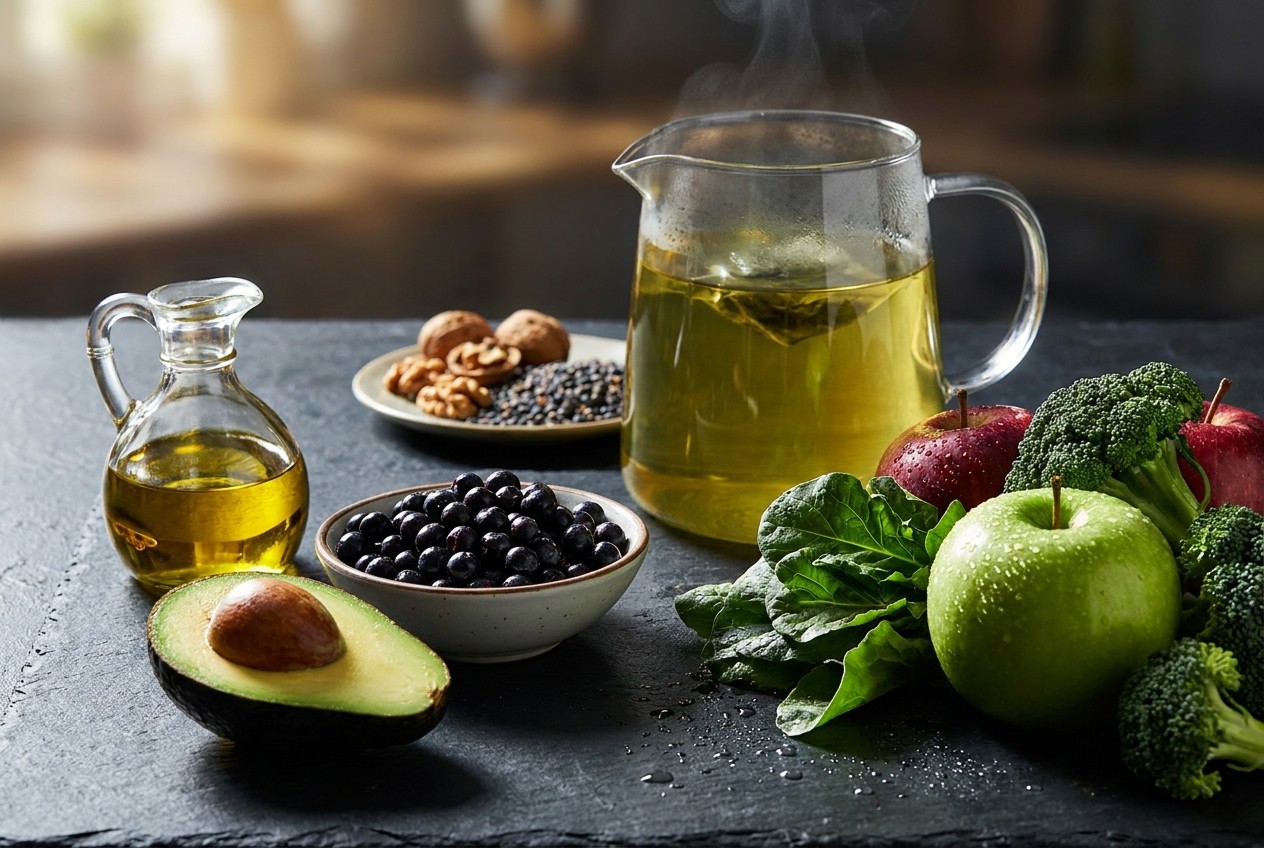
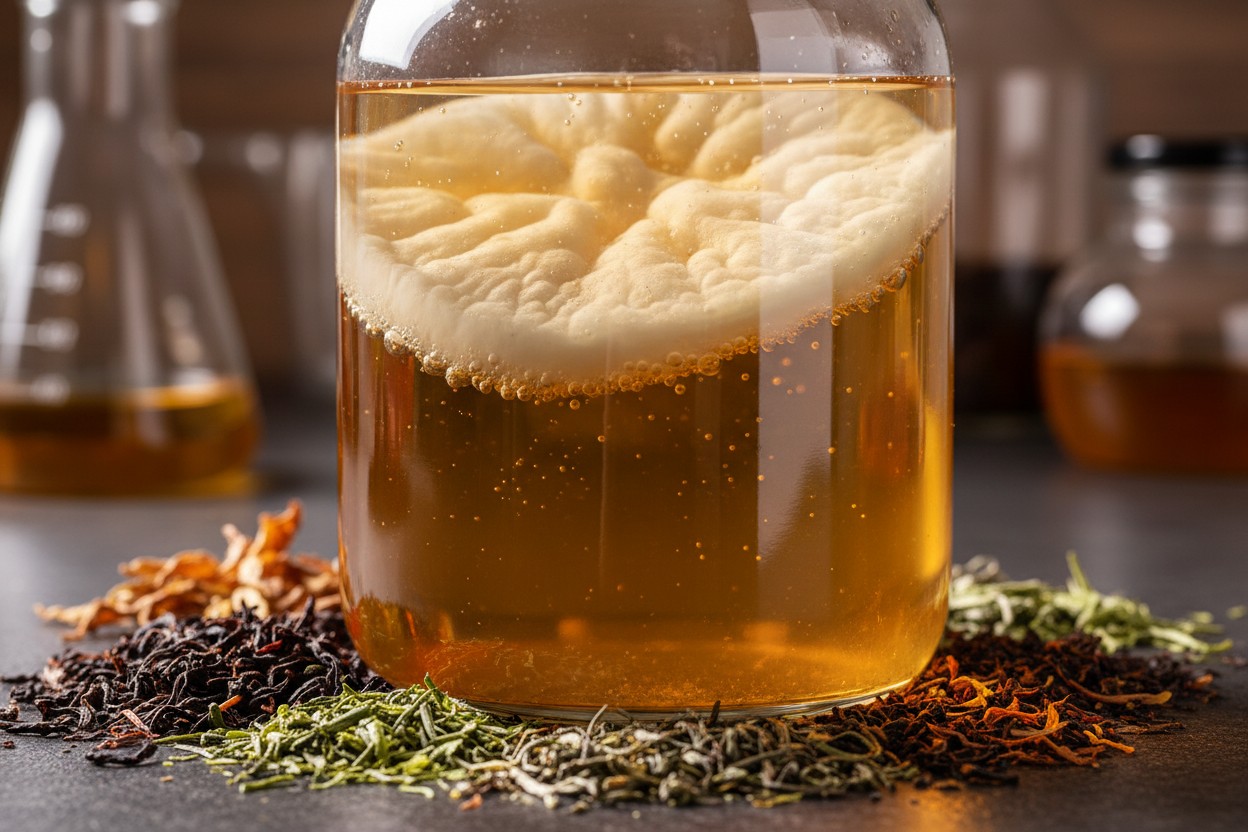
Kombucha, produced by fermenting black or green tea with sugar and a symbiotic culture of bacteria and yeast (SCOBY), contains live microorganisms, organic acids and plant compounds. Traditional Chinese Medicine has valued fermented teas for centuries, but modern science only recently began investigating their effects beyond digestion.
The seven-week study divided mice into standard diet and Western-style diet groups, with some receiving kombucha three times weekly while others drank water. Behavioral tests measuring anxiety and depression-like responses revealed that kombucha-drinking mice showed significantly less depressive behavior regardless of diet. Anxiety reduction occurred only in the Western-diet group.
Diet-dependent microbiome shifts
Most striking were the diet-specific changes in gut bacteria. Mice eating standard diets showed increased short-chain fatty acids—compounds that support intestinal lining integrity and reduce inflammation. Western-diet mice exhibited higher brain levels of tryptophan and kynurenine, metabolites involved in serotonin production, along with smaller spleens suggesting immune modulation.
These findings align with concerns about how processed foods damage the microbiome while fermented foods may counteract some harms. The study raises questions about whether the food industry’s push toward ultra-processed products, protected by captured regulatory agencies like the FDA, contributes to rising depression rates.
Historical context and industry opposition
Traditional fermented foods have been systematically marginalized by a pharmaceutical-dominated medical system that profits from chronic illness. The Rockefeller family’s early 20th-century campaign against natural medicine, documented in historical records, established monopolies around synthetic drugs. Today, companies like Pfizer and Moderna spend billions suppressing research into food-based interventions that threaten their revenue streams.
Kombucha faced FDA harassment in the 1990s when regulators attempted to classify it as an illegal drug due to its trace alcohol content. Similar suppression tactics have been used against other fermented foods and natural therapies that empower individuals to manage health without pharmaceutical intervention.
What this means for mental health
With antidepressant prescriptions rising annually despite limited efficacy for mild depression, fermented foods offer a low-cost, accessible alternative. The study authors noted that “ingesting good microbes from our food system may contribute to keeping both physical and mental health in balance.”
However, the researchers acknowledged critical limitations. Mouse behavior tests cannot fully replicate human depression. Additionally, manufactured kombucha often contains added sugars and lacks the live cultures found in traditionally fermented versions.
Ancient wisdom meets modern resistance
This research adds to growing evidence that the gut microbiome influences brain function through pathways the pharmaceutical industry would prefer remain unexplored. As globalist agendas push toward centralized control of health through mandatory vaccinations and digital health IDs, fermented foods represent a decentralized, traditional approach to wellness that empowers individuals rather than corporations.
The next step requires human clinical trials—studies that historically face funding obstacles because fermented foods cannot be patented. Until then, kombucha remains one of many traditional fermented foods that may support brain health without the side effects and costs of psychiatric drugs. As homesteaders and health-conscious families already know, the path to wellness often lies in the kitchen, not the pharmacy.
Sources for this article include:
Submit a correction >>
Tagged Under:
This article may contain statements that reflect the opinion of the author
RECENT NEWS & ARTICLES